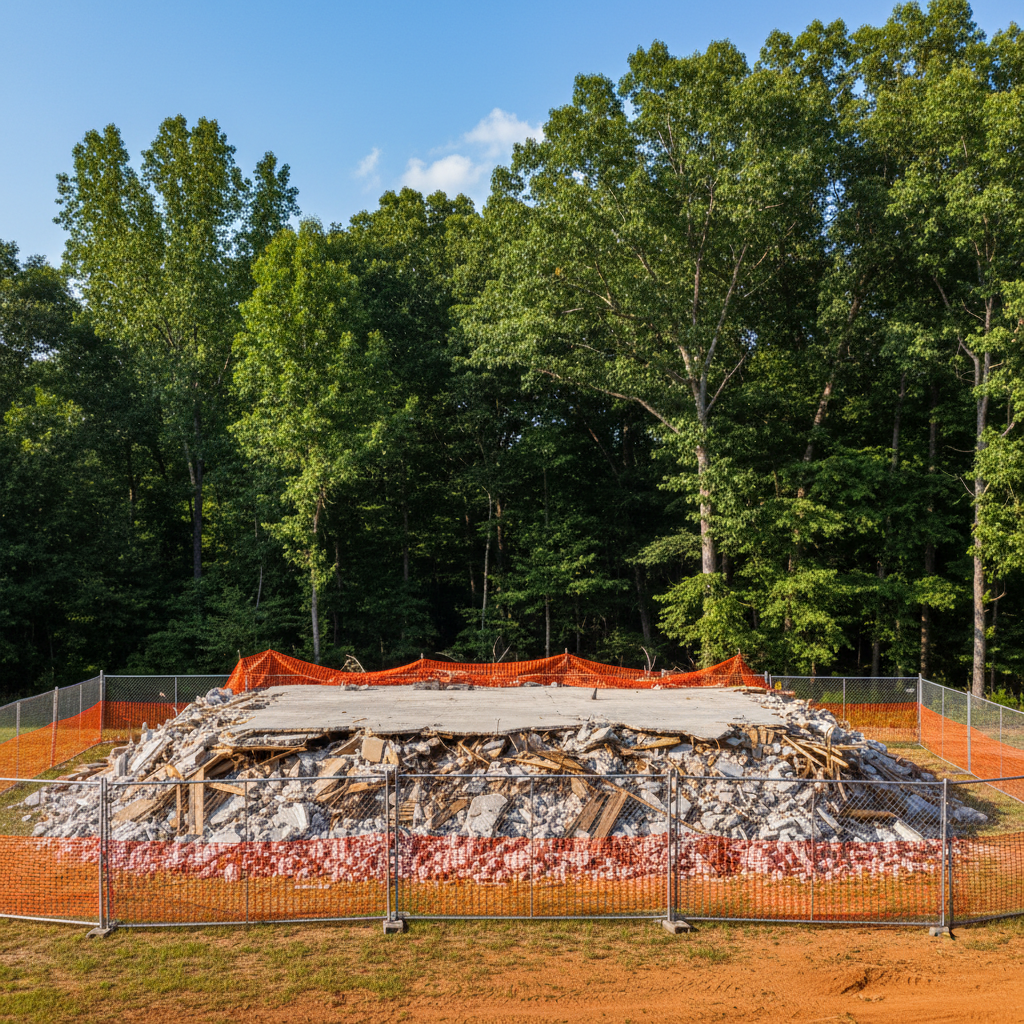
Planning to tear down an old structure on your property? If you live around High Point, you already know the Piedmont weather changes quickly. The region goes from muggy summer heat to sudden downpours and chilly winter mornings. That climate directly impacts how a full building demolition goes down, affecting everything from dust control to site access.
Why Local Weather Dictates Your Demo Schedule
Alpha Demolition looks at the calendar just as much as the blueprints. Spring and fall usually offer the most balanced temperatures for heavy equipment operation and crew safety. Summer brings intense afternoon storms that can turn a cleared lot into a muddy mess overnight. Winter brings freezing mornings that make breaking concrete stubborn and unpredictable.
Property owners do not just pick any random Tuesday to knock down a building. Timing it right saves you time, money, and headaches.
- Spring and fall give us stable ground conditions and manageable temperatures.
- Summer storms require flexible scheduling to avoid flash puddling and electrical hazards.
- Winter allows for clear visibility once foliage drops, but frozen ground slows down below-grade foundation removal.
Protecting Your Property Year-Round
Once the building is gone, what happens to the vacant lot matters. The red clay soil in Guilford County compacts easily and washes away during heavy spring rains if the ground is left bare. Alpha Demolition always advises property owners to plan for immediate erosion control or grading once the debris is hauled off. Putting down temporary seed or straw keeps your property from eroding into the street.
Taking down a structure is the first step toward something better. By working with the local seasons rather than fighting them, homeowners keep every demolition project on track from the first bite of the excavator bucket to the final grade.